


LOVE MUSIC: Your Professional Manufacturer of Percussion Instruments
LOVE MUSIC(TIANJIN)CO.,LTD as a professional musical instrument manufacturer, we have been producing musical instruments for over 24 years. Initially, we were just a small workshop producing drum sets. After many years of continuous
Through development and innovation, we have grown into a comprehensive musical instrument factory with a variety of musical instrument production technologies.
Customers can purchase various musical instruments from us. The products are exported to Brazil, Argentina, Mexico, Europe, Africa and other countries and regions, and are well received by customers.
Why choose us
Professional musical instrument supplier
Love Music has 10 series of products with dozens of varieties. The technical performance of the products has reached the leading level in the industry and has won the trust of our customers.
Rich experience
As a professional musical instrument manufacturer, we have been producing musical instruments for over24 years. The products are exported to Brazil,Argentina,Mexico,Europe, Africa and other countries and regions, and are well received by customers.
Customized according to needs
We are customized according to customer demand, to meet customer needs at any time.
Small profits
Our company's strength, re-credit, keep the contract, to ensure product quality, has won the trust of customers under the principles of various categories and low price. Welcome old and new customers from home and abroad call or come to our company for consultations and negotiations.Consecutive sales increasement of 10 years.
-
![5 Pcs Professional Fashion Drum Sets]()
5 Pcs Professional Fashion Drum Sets
Add to Inquiry -
![Hand-rolled Drum Set]() Add to Inquiry
Add to Inquiry -
![Entry-level African Drum Professional Percussion Instruments]()
Entry-level African Drum Professional Percussion Instruments
Add to Inquiry -
![8", 10", 12" Light African Tambourine For Children And Adults]()
-
![African Drum]() Add to Inquiry
Add to Inquiry -
![Portable Model Painted Entry-level African Drum]()
Portable Model Painted Entry-level African Drum
Add to Inquiry -
![Light Model Tuning-free African Drum For Beginners]()
Light Model Tuning-free African Drum For Beginners
Add to Inquiry -
![2023 Upgraded Model Tuning-free African Drum Tambourine]()
2023 Upgraded Model Tuning-free African Drum Tambourine
Add to Inquiry -
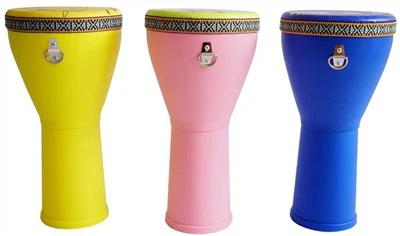
![2023 New Cartoon Solid Color Children's African Tambourine]()
2023 New Cartoon Solid Color Children's African Tambourine
Add to Inquiry -
![Fabric 8" Tuning-free African Drum]()
Fabric 8" Tuning-free African Drum
Add to Inquiry -
![8” Tuning-free Professional African Timpani]()
8” Tuning-free Professional African Timpani
Add to Inquiry -
![10-inch New Timed Portable African Drum]()
10-inch New Timed Portable African Drum
Add to Inquiry




Percussion Instruments
A percussion instrument is a musical instrument that is sounded by being struck or scraped by a beater including attached or enclosed beaters or rattles struck, scraped or rubbed by hand or struck against another similar instrument.
Excluding zoomusicological instruments and the human voice, the percussion family is believed to include the oldest musical instruments.
Feature of a percussion instrument
Percussion instruments make a sound when they are struck, shaken, scraped, plucked, or rubbed. Some types, such as rattles and xylophones, have moving parts built into them that make a sound. Some have bodies that vibrate to produce a sound. They include bells, cymbals, and gongs.
Special about percussion instruments
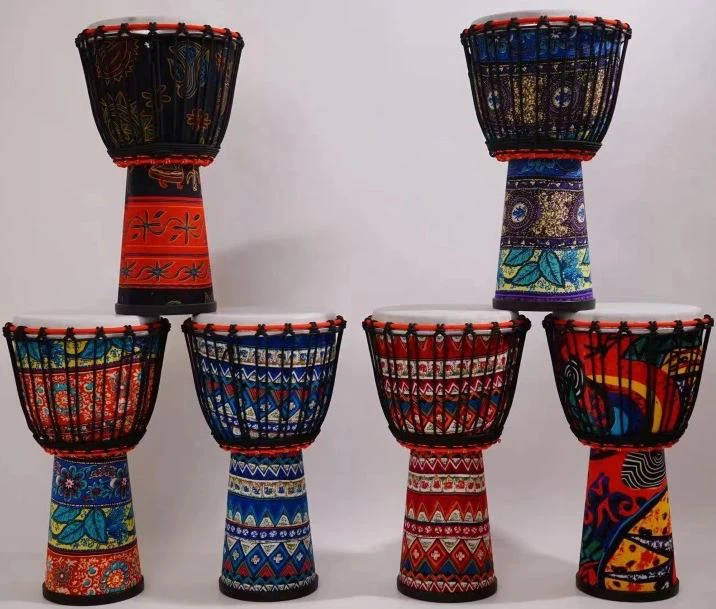
Percussion instruments keep the rhythm, make special sounds and add excitement and color. Unlike most of the other players in the orchestra, a percussionist will usually play many different instruments in one piece of music
Types of percussion instruments
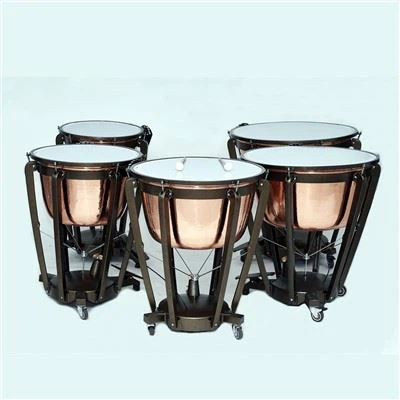
Timpani
A Timpani looks like a big polished bowl, and that is the reason that they are also known as kettledrums. They are big copper pots and their drumheads are made of plastic which is stretched over their tops.
01
 Xylophone
Xylophone's origin can be traced back to Africa and Asia, and it is a Greek word that means"wood sound". The modern xylophone resembles a piano as it has wooden bars and keys arranged in a sequential manner just like the keys of the piano, which the musician hits with the help of a mallet.
02

Cymbals
The cymbals are the biggest noisemakers in an orchestra. Cymbals are 2 large metal discs, that are made of spun bronze.
03
 Snare Drum
A snare drum is a very smallish drum that is made with the help of wood or brass and the drumheads are made of plastic that is stretched over the ends of a hollow cylinder. The snare drum is an untuned drum, so it does not produce distinct pitches.
04
 Bass Drum
The bass drum is one of the biggest instruments of the percussion family of instruments and it makes the lowest sounds.
05
Applications of percussion instruments
Improve our music perception ability
Percussion instruments are generally struck by ourselves using certain parts of our bodies, so they can help us better perceive the rhythm and timbre of music. Through the playing of percussion instruments, we can feel the duration, intensity and changes of different notes.
Enhance our musical performance capabilities
Percussion instruments can produce different sound effects through different percussion methods and strengths, which can help us develop accurate music performance skills. Through learning and practicing percussion instruments, we can improve our sense of rhythm and coordination and make our music performances more lively and interesting.
Cultivate our sense of collective cooperation
Percussion instruments play an important role in the ensemble, and we need to work closely with other percussionists to complete a musical piece. In a percussion ensemble, we need to maintain a tacit understanding with other players at all times, and at the same time pay attention to controlling our own rhythm and intensity, so that we can achieve a good ensemble effect. Through the ensemble of percussion instruments, we can cultivate our own sense of collective cooperation and team spirit.
Keep it Clean: The entire battery should be thoroughly cleaned at the end of every season. Take the heads off each drum, clean each part, and re-lubricate everything with lithium grease as the drum is reassembled. After doing this, place clean drum covers on the drums before storage.

Certifications


our factory


FAQ
Q: 1.What are some facts about percussion instruments?
Q: 2.What makes percussion instruments unique?
Q: 3.How do percussion instruments work?
Q: 4.What do all percussion instruments have in common?
Q: 5.How did percussion instruments get their name?
Q: 6.What is the oldest percussion instrument?
Q: 7.What is the toughest percussion instrument?
Q: 8.What are the 2 main ways that a percussion instrument is played?
Q: 9.What are the two ways of identifying percussion instruments?
Q: 10.Do percussion instruments vibrate?
Q: 11.How many instruments does percussion play?
Q: 12.How do percussion instruments vibrate?
Q: 13.What are percussion instruments made of?
Q: 14.Are percussion instruments hard to learn?
Q: 15.What are the three main groups of percussion instruments?
Tuned percussion, consisting of pitched percussion instruments.
Auxiliary percussion, consisting of unpitched percussion instruments.
Timpani.
Q: 16.Why are percussion instruments mainly used for keeping beats?
Q: 17.Why do different percussion instruments sound different?
Q: 18.What is the only percussion instrument invented in the 20th century?
It is important to note that the steel pan is the only new instrument invented in the 20th century and characterizes the music not only of its original Trinidad and Tobago but also of the entire Caribbean. The steel pans were donated to the United Nations on the occasion of the organization's 50th anniversary.
Q: 19.What percussion instrument makes a big crash?
Crash cymbal: A medium-sized cymbal named for the loud and sharp sound it makes when struck. Crash cymbals are primarily used for occasional accents. They are similar to clash cymbals, but percussionists can play them either as hand cymbals or suspended cymbals, beating them with sticks or mallets.
Q: 20.Can percussion instruments play melody?
We're known as one of the most professional percussion instruments manufacturers and suppliers in China for our quality musical instruments. Please rest assured to buy bulk percussion instruments at good price here or contact our factory for details.
